
Blog
ACE-031 1mg Review: Uses Effects and Safety Overview
Apr
ACE-031 1mg Review: Uses Effects and Safety Overview
ACE-031 1mg Review: Uses Effects and Safety Overview. In the ever-evolving world of performance science and biomedical research, peptides continue to attract attention for their targeted mechanisms and potential applications. One such compound that has sparked significant curiosity is ACE-031. Known for its association with muscle growth pathways, ACE-031 has been discussed in research circles as a myostatin inhibitor with intriguing implications.
In this detailed review, we’ll explore what ACE-031 1mg is, how it works, its potential uses, reported effects, and an essential overview of safety considerations.
What Is ACE-031?
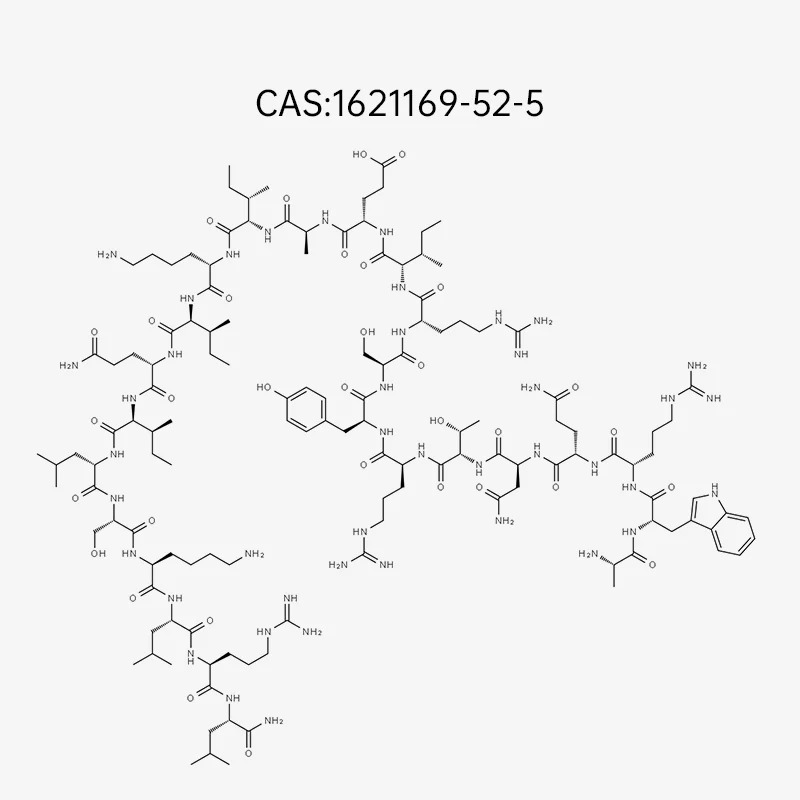
ACE-031 is a recombinant fusion protein designed to inhibit myostatin, a naturally occurring protein in the body that limits muscle growth. Myostatin plays a critical role in regulating muscle mass, ensuring that muscle tissue does not grow excessively. By blocking this protein, ACE-031 aims to promote increased muscle development.
Originally developed for medical research, ACE-031 gained attention for its potential to help treat muscle-wasting conditions such as muscular dystrophy. However, over time, it has also become a topic of interest among fitness and performance communities.
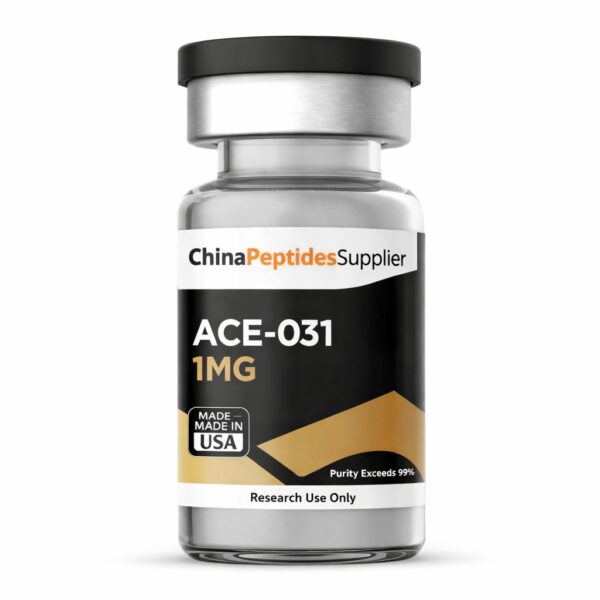
The “1mg” designation typically refers to the dosage format used in research settings, often supplied as a lyophilized (freeze-dried) powder that requires reconstitution.
How ACE-031 Works
To understand ACE-031, it’s important to look at its mechanism of action. ACE-031 acts as a decoy receptor for myostatin and related proteins. Instead of allowing myostatin to bind to its natural receptors in muscle tissue, ACE-031 binds to it first, effectively neutralizing its activity.
This process can lead to:
- Reduced inhibition of muscle growth
- Increased muscle fiber size (hypertrophy)
- Enhanced muscle regeneration potential
Because of this targeted interaction, ACE-031 is often categorized under myostatin inhibitors, a class of compounds being explored for both medical and performance-related outcomes.
Potential Uses of ACE-031
Although ACE-031 is not approved for general medical or commercial use, research has explored several potential applications:
1. Muscle-Wasting Disorders
ACE-031 was initially studied for conditions such as:
- Muscular dystrophy
- Age-related muscle loss (sarcopenia)
By inhibiting myostatin, it may help preserve or increase muscle mass in individuals experiencing degeneration.
2. Athletic and Performance Research
In performance-focused discussions, ACE-031 is often examined for its potential to:
- Support lean muscle development
- Improve recovery times
- Enhance overall strength output
However, it’s important to note that these uses are not clinically approved and remain speculative outside controlled studies.
3. Body Composition Research
Some research interest revolves around ACE-031’s ability to:
- Reduce fat mass indirectly
- Improve muscle-to-fat ratio
This is likely due to increased muscle metabolism and growth signaling.
Effects of ACE-031
The reported effects of ACE-031 largely stem from early-stage studies and anecdotal observations. These may include:
Positive Effects (Research-Based & Anecdotal)
- Noticeable increase in muscle mass
- Improved muscle definition
- Enhanced recovery after intense activity
- Potential boost in endurance and strength
Limitations
While these effects sound promising, it’s crucial to understand:
- Most findings are from limited trials or animal studies
- Human data remains incomplete
- Results can vary widely depending on individual biology
Safety Overview of ACE-031
Safety is one of the most important aspects when discussing compounds like ACE-031.
Clinical Trial Concerns
During early clinical trials, ACE-031 showed some concerning side effects, which led to the discontinuation of certain studies. Reported issues included:
- Nosebleeds
- Gum bleeding
- Small blood vessel abnormalities (telangiectasia)
These effects raised questions about its impact on vascular health.
Lack of Long-Term Data
There is currently:
- No extensive long-term human safety data
- No regulatory approval for therapeutic or recreational use
This means the full risk profile of ACE-031 is still not fully understood.
Research Use Only
ACE-031 is typically labeled as a research chemical, meaning:
- It is not approved for human consumption
- It should only be handled in controlled laboratory environments
Dosage and Administration (Research Context Only)
In research settings, ACE-031 is often referenced in microgram to milligram quantities, such as the 1mg format. It is usually:
- Reconstituted with bacteriostatic water
- Stored under controlled conditions
- Administered under strict protocols
It’s essential to emphasize that there are no established safe dosage guidelines for human use, and self-administration outside research settings carries significant risks.
Legal and Regulatory Status
ACE-031 does not have approval from major health authorities such as:
- FDA (U.S. Food and Drug Administration)
- EMA (European Medicines Agency)
As a result:
- It is not legally marketed as a supplement or medication
- Its sale is typically restricted to research purposes
Users should always check local regulations before purchasing or handling such compounds.
Final Thoughts
ACE-031 1mg represents a fascinating development in peptide research, particularly in the area of muscle growth regulation. Its ability to inhibit myostatin places it among the most talked-about experimental compounds in performance science.
However, despite its potential, ACE-031 remains firmly in the research phase. The lack of long-term safety data, combined with concerns raised during clinical trials, means it should be approached with caution.
For researchers, it offers a valuable tool for studying muscle biology and therapeutic possibilities. For the general public, it serves as a reminder that not all promising compounds are ready—or safe—for practical use.
